

Social Soft Skills: Examples for Professionals

Mr. Sengupta
Freelance Trainings Contributor
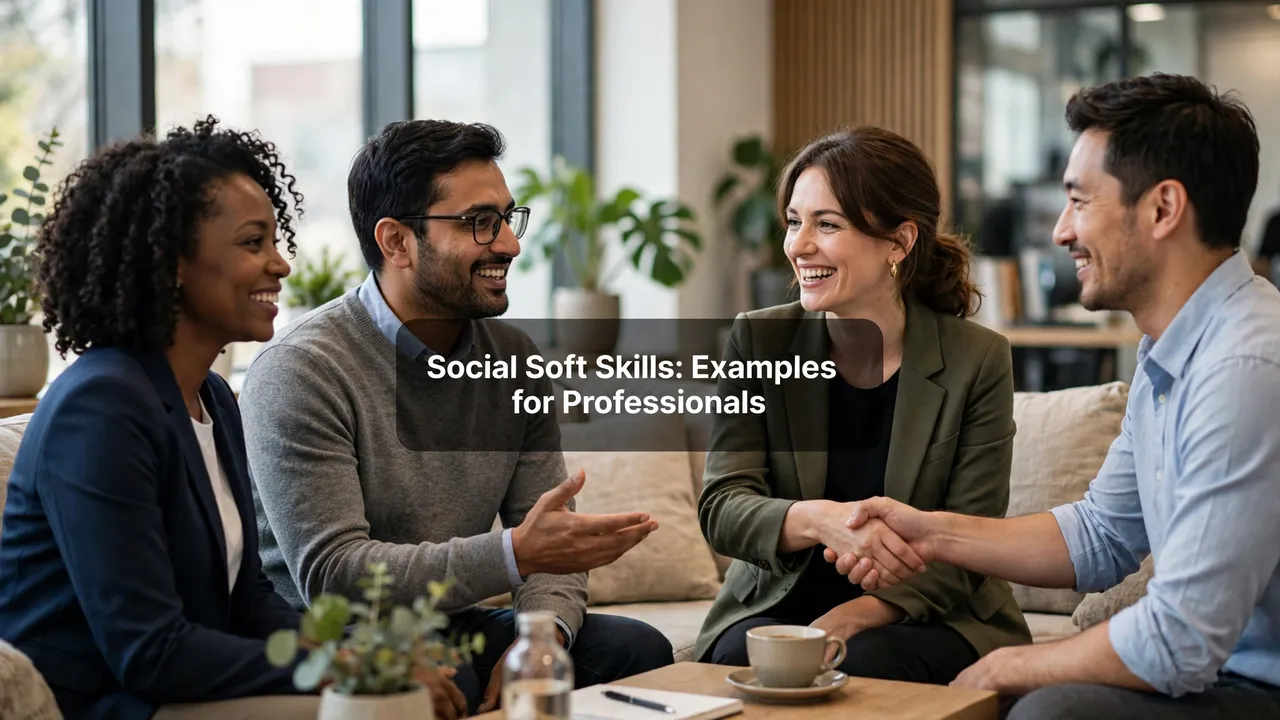
Social soft skills affect the ways in which professionals express themselves, develop relationships, cooperate and manage day-to-day interactions in a work environment. In addition to knowledge and technical skills, all employees require social skills and competencies to collaborate and interact with colleagues and managers, customers and clients, and other business partners.
What Are the Most Important Social Soft Skills?
Social soft skills are behavioural skills that enable you to work and relate well with others. Some key examples are:
- The art of first understanding others and then giving wise, appropriate feedback.
- Empathy: Respecting others point of view.
- Collaboration: Working with others and dividing up the work to meet shared goals.
- Conflict Management: Resolving conflicts via effective dialogue.
- Communication: Sharing my ideas effectively through meetings, conversations and work.
- Good communication skills and the ability to adapt your behaviour for different people and workplaces.
These skills are becoming more and more relevant to the Soft Skills Required by Employers in a collaborative and customer facing role.
How can people enhance their social abilities?
Building interpersonal skills demands ongoing practice and professional feedback. Employees can take part in group exercises, engage in active listening, accept feedback, and take ownership of team projects.
In addition to the above, organisations can conduct workshop for behavioural enhancement and well-structured 'Reskilling Programs' to hone their effective communication, relationship building and leadership skills among employee.
In what ways can corporate training help develop social skills?
* This is where the ideal training course will enable the staff to rehearse the real life scenarios of the workplace. An effective training course should include role play, group discussions and practical Training Materials.
* Organisations should consider specialist learning support from the Best Freelance Trainers to provide tailored communication, teamwork and leadership workshops. The appropriate trainers will help relate learning activities to organisational priorities and the development needs of employees.
* OECD stresses the importance of learning in the workplace, in terms of: communication, teamwork, conflict resolution and leadership.
How Can Businesses Build a Stronger Training Network?
A Participatory Freelance trainer empanelment for HRs and Learning and Development units helps in shortlisting the trainers, going through their subject proficiency, professional experience and creating a pool of the trainers for upcoming training needs.
Conclusion
Building social soft skills provides opportunities and tools to help build confident employees who communicate well and drive business results.